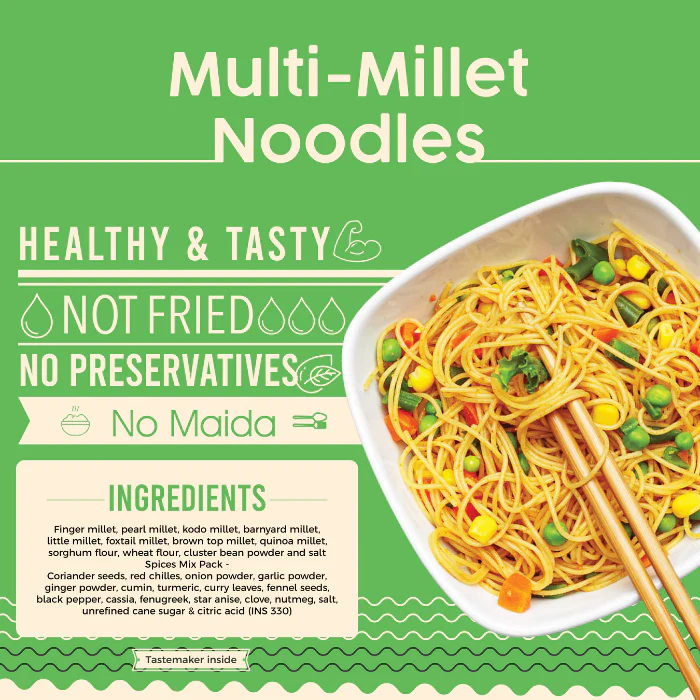
The steps for cooking millet are similar to those for rice. The grain can be cooked on the stovetop or in a rice cooker, according to McKenzie Johnson, chef instructor at Auguste Escoffier School of Culinary Arts. As with rice, the first step is to wash the millet; this will buy millet noodles remove any dirt and debris, says Johnson. An optional step is to toast the millet in a dry pot (before adding liquid) or in a tablespoon of oil, says Ann Ziata, chef instructor at the Institute of Culinary Education. This will enhance the ingredient’s natural nutty flavor. Millet is also prone to stickiness, but toasting helps to keep the grains separate, ensuring a fluffy dish, according to the experts at Colorado State University.
Stovetop Method
Combine 1 cup millet with 2 cups water or broth in a pan. Bring the mixture to a boil, then reduce the heat to low and cover the pot.
Cook for 18 to 20 minutes, or until the liquid is absorbed and the millet is tender. Fluff the millet with a fork and serve.
Rice Cooker Method
Add 1 cup millet, 1 3/4 cups water, and a pinch of salt to the rice cooker. Cook for about 20 minutes, until the water is absorbed.
Let sit for five minutes before fluffing with a fork and serving.
How to Eat Millet
Serve millet as you would other grains. Toss it in salads, pair it with your favorite protein, or stir it in a hearty soup. Beyond these usual grain applications, millet can also be baked or fried into croquettes or veggie burgers, says Ziata. The millet will help bind ingredients together, especially if you skip the toasting part and allow the grains to become sticky.
Try millet flour in baking for gluten-free goods, suggests Johnson—or, if you’re craving a slightly nutty flavor, sprinkle it in a biscuit or quickbread batter, says Ziata. Millet can also be used to make savory and sweet porridges, like our millet breakfast porridge with pineapple, coconut, and flaxseed.
If you want to use the grain in your own recipes, keep in mind that millet has a mild, slightly nutty flavor, says Johnson. This nuttiness pairs especially well with warm spices (think cumin and coriander), lemon juice and zest, and fresh herbs like parsley, cilantro, and basil. Additionally, millet is an ideal partner for dried fruits (like raisins or dried apricots), roasted vegetables (like sweet potatoes, carrots, and beets), and nuts and seeds (like almonds or sunflower seeds), says Johnson.
 Site Title
Leave a comment